 Posted by
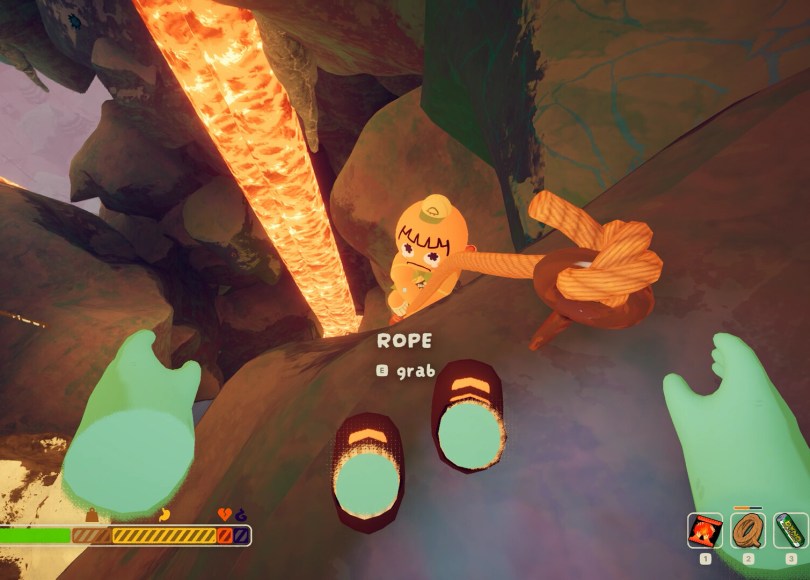
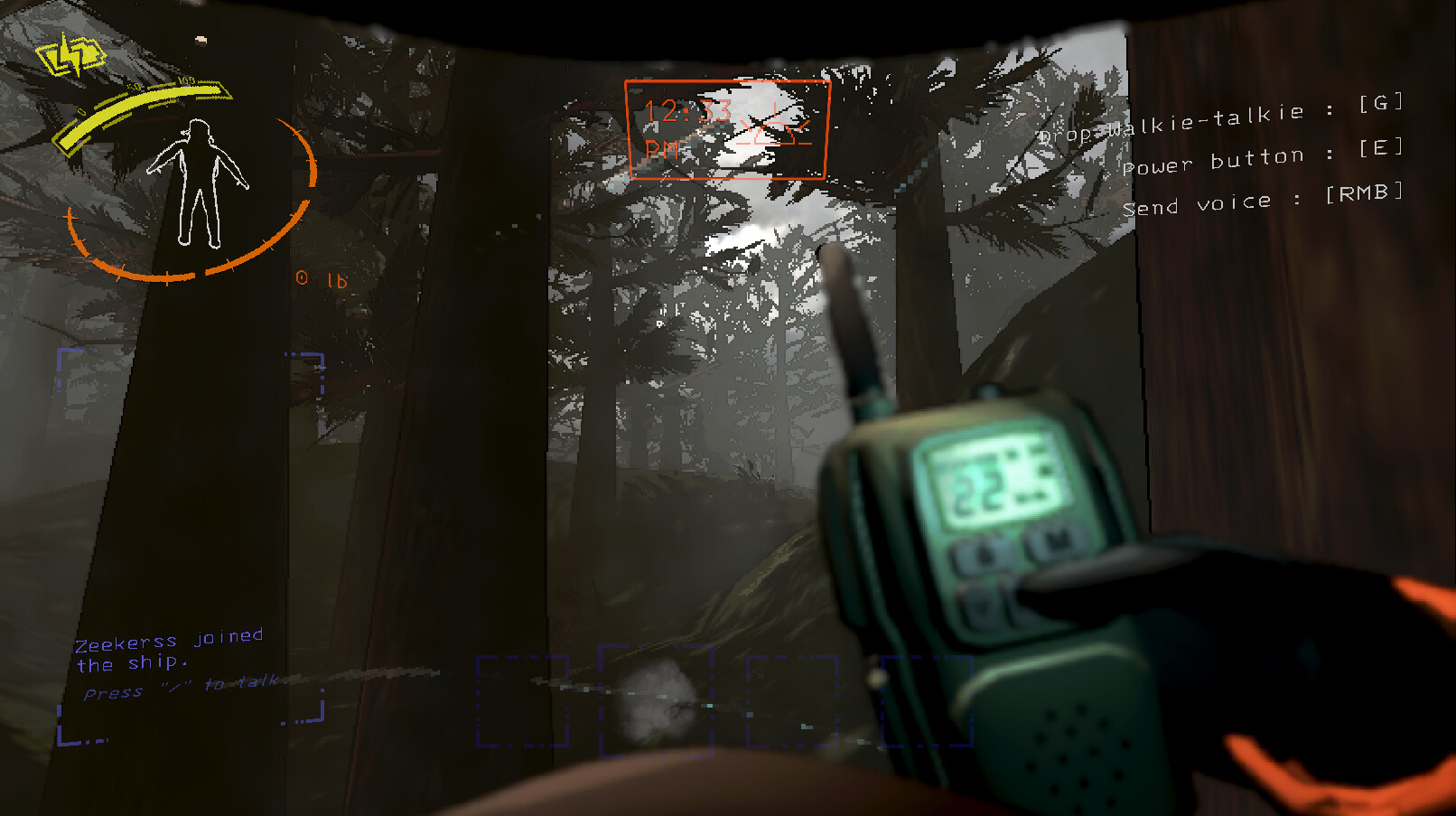
 There are two kinds of co-op games. The first is a game that can be played either single player or co-op and will have roughly equal experiences either way. This is where you see games like Elden Ring or Halo. You’ll still follow the same structure and see the same plot beats, but you’re doing it with a friend. Then there are the ones you can’t really play alone, like PEAK or Lethal Company. These are games designed around being played with a group of friends, to the point that you can’t play them alone.
The second kind is the one that gets “friendslop” thrown at it like a rotten tomato. The idea seems to be that spending time with friends will distract from the game being boring and low-effort. To which I respond: have you ever played a video game before? This industry was built on having fun with your friends! Some of the earliest home consoles were Pong machines with two controllers. But now Lethal Company or Among Us ask you to queue up with some pals and we suddenly think that sucks, actually? And besides, some of the biggest arcade hits of the past were fighting games and beat-em-ups that were all way better with friends.
“Friendslop” is such a deeply insulting term. I think we’ve been a bit too liberal with calling things “slop,” and its usage here brings with it the implication that just because a game is designed to be fun to play with friends, that somehow qualifies it as low-effort.
What’s wrong with having a shared experience to gather around regularly, especially if you’re an adult with only so many free hours in the day? Having something like a video game you can bring in as a shared activity gives you way more structure to plan around than the ever-nebulous “we should hang out sometime” that means you only see your friends four times a year.
I also want to push back some more on the usage of “slop” here implying low effort. A lot of these games are built around creating strange or stressful situations and then letting the players fill in the rest with their antics. But these situations are really hard to set up. You need to have the right combination of assets, level design, and mechanical interaction to make something like finding specific physics objects in a dark location in R.E.P.O not annoying as hell, and then on top of that think about the interactions and complications of six people doing that simultaneously.

And it’s even harder to make sure these situations can lead to the organic comedy or stress moments that made these games popular in the first place. This kind of emergent gameplay is often lauded in single-player games, so it’s very strange to complain about them in co-op games. You need to tune your scenarios in such a way that they’re winnable if everyone plays well (which usually won’t happen) but don’t feel bad to fail because you still had fun. That’s a difficult line to walk, especially when you consider that everyone has different opinions on what counts as a “fun complication” and what counts as “bullshit.”
Do you also call Mario Party “friendslop” because it’s way less fun to play by yourself? Let’s stop using such an insulting term to describe the hard work of indie developers and call them what they are: “co-op party games.”
 HJL
HJL 